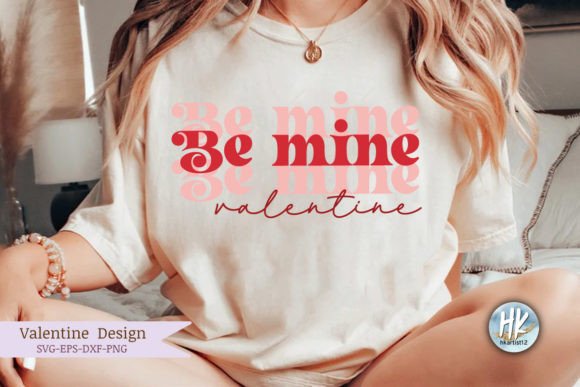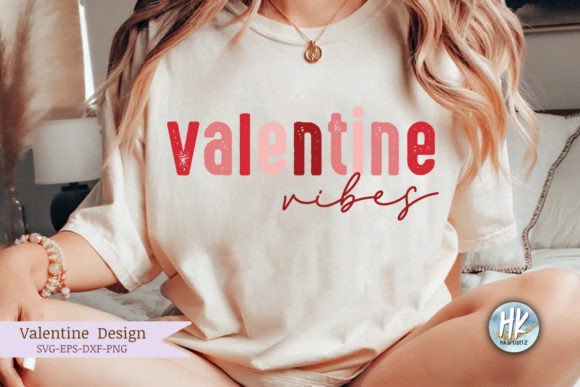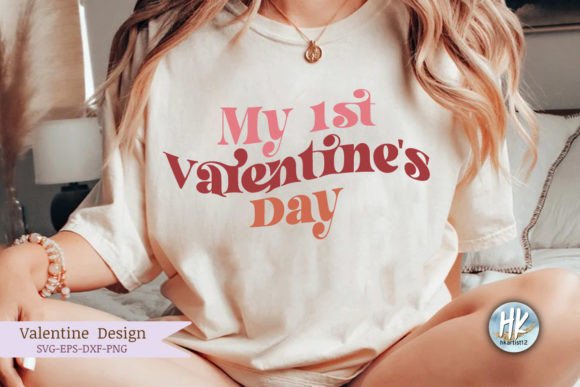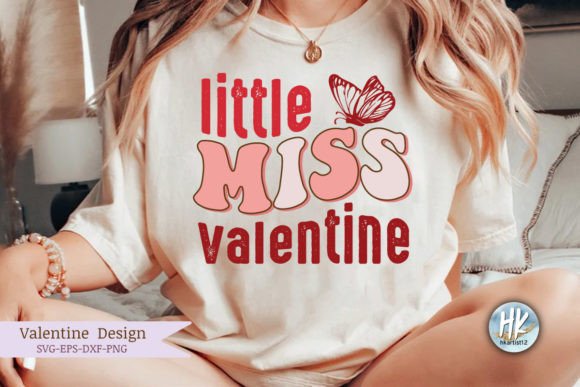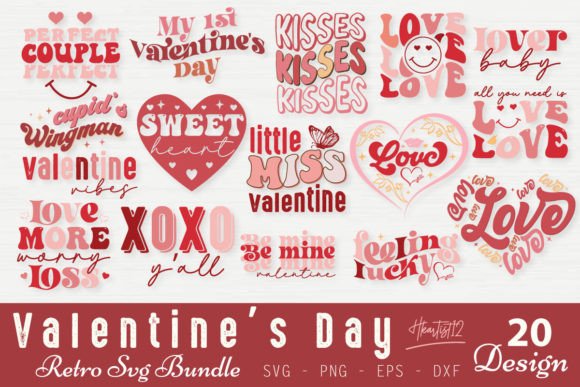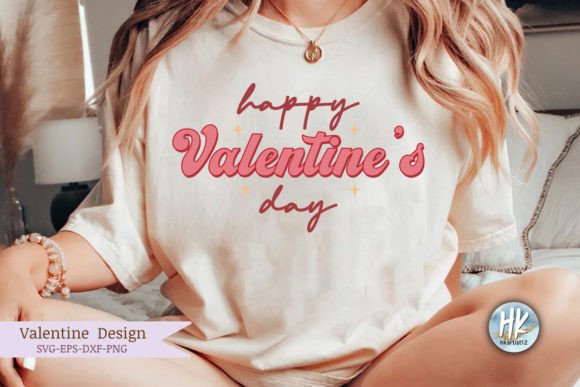
Happy Valentine s Day Retro SVG Review
I have spent years reviewing digital assets for the embroidery industry, and I often find myself skeptical of designs that promise a "retro" vibe without delivering on the technical details required for stitching. When Happy Valentine s Day Retro SVG landed on my desk, I didn't just look at the preview image; I looked at how it would translate from a flat vector into a tangible, stitched product. As an experienced designer, my goal is to help you understand if this design is worth your time, thread, and machine setup before you commit to a production run or a custom client order.
The First Impression: Mood and Visual Personality
The moment you open the zipped folder containing the Happy Valentine s Day Retro SVG, the aesthetic jumps out. It captures that nostalgic, mid-century modern feel with clean lines and a playful attitude. For a designer looking to create something that stands out in a sea of generic hearts and cupids, this design offers a distinct personality. The layout feels balanced, making it suitable for a variety of applications, from a small chest pocket on a sweatshirt to a centered statement piece on a tote bag.
In terms of visual appeal, the retro theme suggests a high-quality finished product. It doesn't scream "cheap craft"; instead, it whispers "boutique quality." This distinction is crucial for Etsy sellers and small shop owners who need their handmade products to command a higher price point. The design's shape allows for creative interpretation regarding thread colors, inviting the use of muted pastels, bold primaries, or even monochromatic schemes that lean into the vintage aesthetic.
Real-World Application: A Case Study in Custom Apparel
To truly evaluate the Happy Valentine s Day Retro SVG, I simulated a real project scenario. Imagine preparing a batch of custom embroidered aprons for a local bakery's Valentine's Day promotion. The baker wants something festive but not overly childish, something that fits a professional kitchen environment while still celebrating the holiday.
Placing this design on a heavy-duty cotton canvas apron felt natural. The retro font style held up well against the textured fabric, and the overall composition allowed for enough negative space around the text so the apron didn't look cluttered. However, I immediately noticed that the density of the lettering required careful attention. If this were a machine embroidery design intended for a very thin fabric, like a lightweight t-shirt, I would worry about puckering. But for a sturdy garment like an apron or a denim jacket, the structure holds firm. This versatility makes it a strong candidate for custom apparel projects where durability matters.
Another scenario involves creating personalized gifts for a boutique nursery. Here, the Happy Valentine s Day Retro SVG could be adapted for baby onesies or soft blankets. The rounded edges of the retro typography are generally safe for baby items, avoiding sharp points that might irritate skin. Yet, when considering the final product value, the clarity of the stitches is paramount. If the file converts poorly to satin stitch, the letters might look muddy, which would ruin the perceived value of a gift meant for a loved one.
Technical Performance and Stitch Clarity
When evaluating any embroidery file, the devil is always in the details. The Happy Valentine s Day Retro SVG includes multiple formats like SVG, EPS, DXF, JPG, and PNG, which is excellent for flexibility. However, as a reviewer, I must remind you that having a vector file does not guarantee perfect embroidery results without proper conversion. The design relies heavily on clean outlines and fill areas. If the digitization process (or the way your software interprets the file) creates too much stitch density, the fabric will become stiff and uncomfortable.
For best results, I recommend checking the stitch density specifically in the densest parts of the text. Dense fill stitches can cause thread breaks, especially if you are using lower-quality polyester threads. Additionally, the design should be tested for applique design potential. The retro shapes lend themselves well to applique techniques, where a contrasting fabric is stitched down under a satin border. This adds texture and depth, elevating a simple embroidery project into a high-end decorative item.
It is important to note that the file is described as a digital cut file for cutting machines. While these files are excellent for vinyl, heat press, or paper crafts, they require conversion to work effectively on an embroidery machine. Ensure you verify the hoop size compatibility once converted. If the design is too large for your standard 4x4 hoop, you may need to split the file or invest in a larger hoop, which changes the workflow significantly.
Where to Use It Carefully
Not every surface is suitable for every design. There are specific scenarios where the Happy Valentine s Day Retro SVG might struggle. Avoid using this design on highly textured fabrics like chunky waffle knits or bouclé, as the uneven surface will distort the fine details of the retro typography. Similarly, stretchy fabrics like jersey or spandex require a stabilizer strategy that goes beyond the basics; without adequate support, the tension of the stitches will cause the fabric to pucker, ruining the finished product.
Curved surfaces, such as caps and hats, present another challenge. While the design looks great on a flat plane, the curvature of a cap brim can make the text difficult to read if the angle is too extreme. I advise testing the design on a curved mockup first. Furthermore, small hoop sizes are risky for this design if it contains intricate corners or tiny lettering. If the design elements are too close together, the needle path might collide, leading to skipped stitches or thread jams.
Dense stitch areas should also be approached with caution. If the design relies on solid blocks of color without enough pull-in compensation, the final result may look boxy rather than fluid. For commercial embroidery projects, consistency is key. You do not want one batch of embroidered patches to look slightly different from the next due to thread tension issues.
Practical Designer Notes for Success
Before you start stitching, there are several steps you must take to ensure the Happy Valentine s Day Retro SVG performs as expected. First and foremost, test the design on scrap fabric. This is non-negotiable. You need to see how the thread colors interact with your specific fabric choice. A color that looks vibrant on screen might appear dull on dark fabric, so inspecting light and dark backgrounds is essential.
Review the stitch density in your digitizing software. Adjust the settings if necessary to prevent bulkiness. Confirm the hoop size matches your intended project dimensions. If you are planning to sell these items, check the licensing terms carefully. Does the purchase allow for commercial use? Can you sell finished goods made with this design? These questions determine whether this asset fits your craft business model.
Finally, consider the presentation. A well-executed embroidery project builds trust with customers. When a buyer sees a crisp, clean embroidered patch or a perfectly stitched tote bag design, they perceive higher value. The Happy Valentine s Day Retro SVG has the potential to be a standout piece in your portfolio, provided you respect the technical limitations of embroidery. By taking the time to prepare properly, you ensure that your handmade products reflect the professionalism and creativity that define successful small shop products.