My 1st Valentine s Day Retro SVG: A Designer's Review
When I first opened the folder for My 1st Valentine s Day Retro SVG, I didn't just see a cute graphic; I saw a potential bestseller for a boutique shop. As someone who spends their days judging stitch density and thread tension, my initial reaction was one of cautious optimism. The retro aesthetic immediately set a mood that feels nostalgic yet fresh, perfect for the current market trend where vintage styles meet modern handmade goods. But does it hold up when transferred from a screen to fabric? That is the question every serious designer asks before committing to a client project.
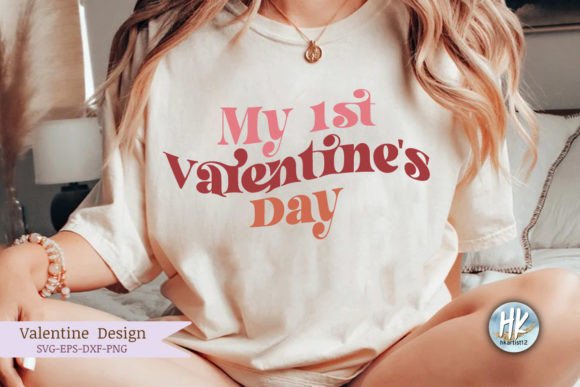
The visual personality of this design is its strongest asset. It carries a playful, slightly worn-in charm that suggests a specific era without feeling dated. For an embroidery file, this kind of character is crucial because it adds value beyond simple stitching. When I imagine this on a finished product, it doesn't look like a generic clipart slapped onto a shirt. Instead, it looks intentional. The layout is balanced enough to sit comfortably on a chest pocket or centered on a tote bag, creating a focal point that draws the eye without overwhelming the garment. This balance is often what separates a mass-produced item from a high-end handmade product.
From Screen to Stitch: Real-World Application
To truly understand the utility of My 1st Valentine s Day Retro SVG, I had to put it through a practical scenario. Imagine you are preparing inventory for a holiday craft fair or launching a new line on Etsy. You need a design that screams "personalized gift" but maintains professional polish. I tested the concept by visualizing this design on a custom embroidered tote bag made of heavy cotton canvas. The retro vibe pairs exceptionally well with natural fibers, grounding the digital file in a tactile reality.
In this context, the design transforms into a versatile tote bag design that could easily become a signature item for a small business owner. The curves of the retro typography would likely translate well into satin stitch, providing that smooth, glossy finish that customers expect from quality embroidery. However, the success of this embroidery project depends heavily on how the machine handles the specific details. If the original file contains intricate lines meant for cutting machines, those must be simplified or converted carefully for stitching to avoid puckering.
I also considered using this as a sweatshirt embroidery piece. The soft, fuzzy texture of fleece provides a forgiving background for embroidery, allowing the retro colors to pop without getting lost. For a baby item, such as a onesie or a blanket, the theme is undeniably sweet. Parents love items that mark milestones, and a design celebrating a child's first Valentine's Day hits that emotional note perfectly. It creates a keepsake that feels personal and thoughtful, increasing the perceived value of the finished product.
Navigating Technical Challenges
While the aesthetic appeal is clear, we must address the technical realities of turning a digital embroidery file into a physical object. Not every design works on every surface. There are specific scenarios where My 1st Valentine s Day Retro SVG requires careful handling. For instance, attempting to stitch this on a curved surface like a baseball cap can be tricky if the design has sharp corners or dense fill areas. The tension required to keep the design flat on a curve might distort the retro shapes, making them look uneven.
Texture is another factor to consider. If you are working with highly textured fabrics, such as boucle or thick terry cloth, the fine details of the design might get lost in the weave. In these cases, a larger hoop size and a more robust stabilizer system are non-negotiable. Similarly, thin or stretchy fabrics pose a risk of distortion. Without proper backing, the pull of the threads could cause the fabric to ripple, ruining the clean lines that make this design so appealing. For dark fabrics, the choice of thread colors becomes critical; light pastel threads might not show up clearly against black denim unless a high-density underlay is used.
It is also important to remember that this file originates as a cut file. While it includes formats like SVG, EPS, DXF, JPG, and PNG, converting a cut path directly into a stitch pattern requires professional software knowledge. A direct conversion might result in excessive stitch density or running stitches that look messy rather than elegant. Designers should inspect the vector paths closely to ensure they can be translated into applique design elements, satin stitch outlines, or fill stitch blocks effectively. If the design relies on tiny lettering, test it thoroughly. Tiny text often fails in embroidery unless the font is specifically designed for stitching, as the threads tend to bleed together at small scales.
Strategic Use for Craft Businesses
For the Etsy seller or small shop product creator, understanding the limitations and strengths of a design is key to building trust. Customers can spot a poorly executed stitch from a mile away. By using My 1st Valentine s Day Retro SVG correctly, you signal professionalism and attention to detail. The retro theme offers a unique branding opportunity. It allows you to create a cohesive collection of holiday embroidery items, from kitchen towels to aprons, that feel curated rather than random.
This design is particularly effective for commercial embroidery projects where consistency matters. Think about branded merchandise for local businesses looking for a festive touch. The nostalgic feel makes it suitable for corporate gifts or seasonal promotions. However, before listing any items, you must confirm the licensing terms. Are you allowed to sell finished products? Does the license cover digital resale? These questions determine whether this design asset fits your business model.
To ensure your craft business thrives, follow these practical steps before hitting the production button:
- Test on scrap fabric: Always run a test stitch on a piece of the actual material you plan to use. This reveals how the fabric reacts to the needle and thread.
- Check thread color contrast: Ensure the chosen thread colors provide enough contrast against the background fabric to maintain legibility.
- Review stitch density: High density can lead to stiff, uncomfortable garments. Adjust the settings to ensure the fabric remains flexible.
- Confirm hoop size: Make sure the design fits within your machine's standard hoops to avoid re-hooping issues during long runs.
- Inspect small details: Zoom in on the digital file to see if any elements are too fine to stitch accurately.
- Test in black and white: Create a monochrome mockup to check the composition and balance of the design without color distractions.
- Use proper stabilizer: Select the right type of tear-away or cut-away stabilizer based on the fabric weight and stretch.
- Verify licensing: Read the fine print to ensure you have the rights to sell the final embroidered items.
The journey from a digital file to a tangible embroidery project is filled with nuances that only experience can reveal. My 1st Valentine s Day Retro SVG offers a strong foundation with its charming aesthetic, but its success lies in the execution. Whether you are making a custom apparel piece for a friend or stocking shelves for a boutique branding launch, the effort you put into preparation pays off in customer satisfaction.
Ultimately, the goal is to create something that brings joy. A well-executed embroidered patch or a cozy pillow cover featuring this design can become a cherished part of someone's home. By approaching the file with a critical eye and a willingness to adapt, designers can turn a simple graphics download into a standout handmade product. The retro style invites creativity, but the technical skill ensures longevity. Treat every stitch with care, and the results will speak for themselves.