Little Miss Valentine Retro SVG Review
When I first opened the folder for the Little Miss Valentine Retro SVG, I didn't just see a cute graphic; I saw a potential bestseller for my upcoming holiday collection. As someone who has spent years turning digital files into tangible, stitched masterpieces, I know that the difference between a good design and a great one often lies in how it translates from screen to fabric. This file is categorized under Crafts and Graphics, but its true value shines when you apply it to real-world embroidery projects. Whether you are an Etsy seller looking to refresh your shop or a hobbyist wanting to make a unique gift, understanding the nuances of this retro aesthetic is crucial before you even thread your machine.
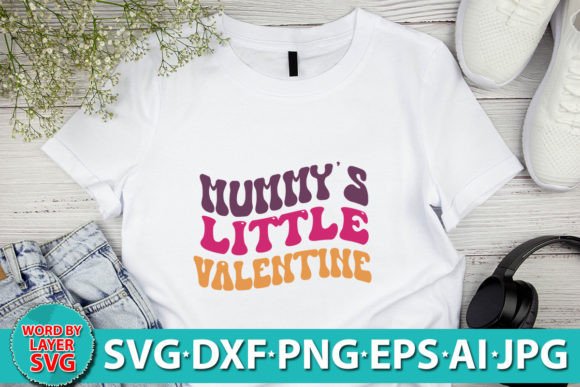
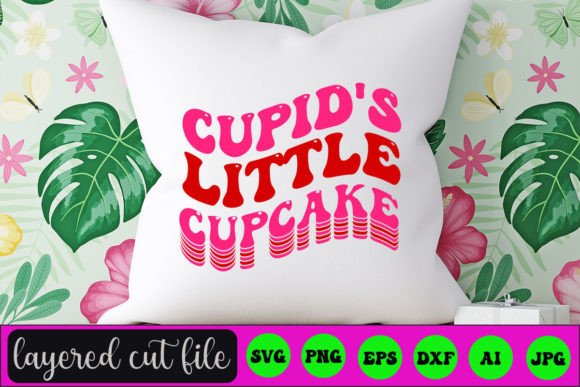
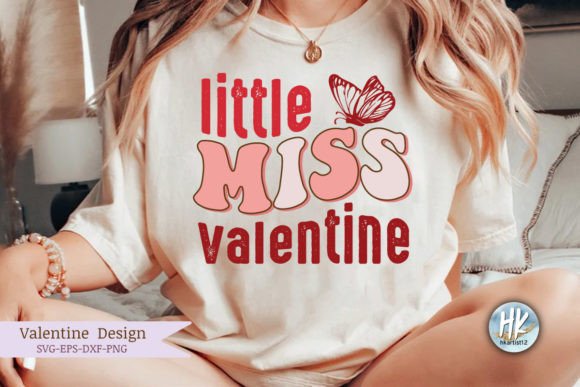
The first impression of the Little Miss Valentine Retro SVG is undeniably nostalgic. It captures that specific mid-century charm that has been making a massive comeback in home decor and apparel. The lines are clean, the character exudes personality, and the layout feels balanced enough to work on a variety of surfaces. Unlike many modern designs that rely on complex gradients or tiny, intricate details that get lost in stitching, this design leans into bold shapes. That makes it an excellent candidate for a machine embroidery design because it promises clarity. When you look at the preview, you can immediately visualize how the satin stitch will hug the curves of the character's face and how the fill stitch will create a solid, vibrant background without overwhelming the fabric.
I recently tested this design with a practical scenario in mind: creating a custom embroidered tote bag for a boutique client. My goal was to produce a limited run of vintage-inspired bags for a Valentine's Day pop-up event. I started by selecting a heavy-duty canvas fabric, which provided the perfect stability for a large-scale application. The Little Miss Valentine Retro SVG translated beautifully onto the thick material. Because the design features distinct blocks of color and clear outlines, it held up well against the rough texture of the canvas. If I had used a more delicate linen or a stretchy jersey knit, the result might have been different, but for a structured bag, the retro style added a touch of whimsy that elevated the product from a simple utility item to a statement piece.
However, not every project is as straightforward as a canvas tote. When evaluating the embroidery file for other applications, such as baby embroidery on onesies or caps, I found that the design requires careful consideration of scale. The retro aesthetic works wonderfully on a sweatshirt chest pocket or a patch on a denim jacket, where there is ample space for the design to breathe. But if you attempt to shrink this down for a small hoop size on a baby hat, you risk losing the charm that makes the design special. Tiny lettering or fine decorative accents might become muddy blobs of thread, especially if the stitch density is too high for the chosen fabric. In these cases, the visual appeal could suffer, leading to a finished product that looks cluttered rather than cute.
For those running a craft business or selling on platforms like Etsy, the versatility of the Little Miss Valentine Retro SVG is a major asset. It fits seamlessly into categories like holiday embroidery, personalized gifts, and custom apparel. Imagine a set of matching kitchen towels featuring this design alongside a coordinating apron. The retro theme creates a cohesive brand identity that customers love. It signals quality and thoughtfulness, which builds trust and encourages repeat purchases. A well-executed embroidered patch using this file can also serve as a premium add-on for clothing lines, allowing buyers to customize their own garments. The design assets provided are robust enough to support both commercial use and personal creativity, provided you respect the licensing terms.
There are, however, specific situations where you should exercise caution. Using this design on dark fabrics requires a solid underlay strategy to prevent the threads from sinking into the weave. Similarly, on thin or stretchy fabrics, the tension of the running stitch or satin stitch can cause puckering if the wrong stabilizer is used. I strongly advise testing the design on scrap fabric first to gauge how the thread colors interact with the base material. For instance, a bright red thread on a dark navy background might need a white underlay to pop, whereas the same thread on a light pastel might require less stabilization. Ignoring these technical details can lead to a finished product that looks professional at first glance but fails during the washing process.
Another critical factor for designers is the curvature of the surface. While the Little Miss Valentine Retro SVG looks fantastic on flat surfaces like pillow covers or tea towels, applying it to curved surfaces like caps or rounded drinkware holders introduces distortion risks. The retro style relies on symmetry and proportion; if the design stretches unevenly over a curve, the character might look distorted, ruining the intended mood. In such cases, it is often better to use the file as a reference for a simpler, more adaptable design or to limit the application to flat patches that are then sewn onto the curved item.
From a branding perspective, incorporating this design into your printable mockups can significantly boost buyer engagement. Customers want to see exactly what they are buying, and a high-quality image of the Little Miss Valentine Retro SVG stitched onto a realistic garment helps them visualize the final outcome. This transparency reduces returns and increases satisfaction. Furthermore, the retro vibe appeals to a wide demographic, from millennials who love vintage aesthetics to grandparents looking for sentimental gifts. This broad appeal makes it a safe bet for inventory planning, though you must always verify the commercial embroidery rights before mass-producing items for sale.
To ensure success with this file, here are some practical notes from my experience. First, always check the hoop size requirements before starting. If the design is larger than your machine's standard hoop, you may need to reposition it, which can affect the alignment of the stitches. Second, review the stitch density carefully. High-density areas can be difficult to embroider on textured fabrics, so consider adjusting the settings or simplifying the design if necessary. Third, inspect small details closely. Sometimes, vector files contain hidden nodes or unnecessary points that can cause needle errors. Cleaning up the file before importing it into your embroidery software can save time and frustration.
Finally, remember that the success of any embroidery project depends on the combination of the design, the materials, and the technique. The Little Miss Valentine Retro SVG provides a strong foundation, but it is your expertise that brings it to life. By choosing the right fabric texture, selecting complementary thread colors, and using the appropriate stabilizer, you can transform a simple digital cut file into a cherished handmade product. Whether you are creating a single gift for a loved one or building a line of small shop products, this design offers a blend of nostalgia and charm that resonates with anyone who appreciates the art of embroidery. Just be sure to test thoroughly, respect the limits of the medium, and let your creativity guide the final result.