One Merry Wife Retro SVG Review
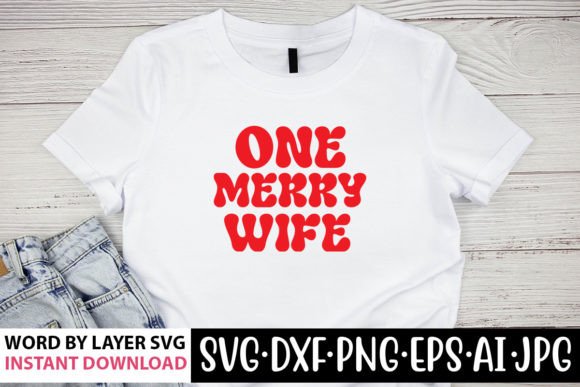
When I first opened the One Merry Wife Retro SVG, my immediate reaction wasn't about the file size or the layer count. It was about the vibe. There is a specific kind of charm in retro typography that feels both nostalgic and punchy, and this design captures that perfectly. As someone who has stitched hundreds of designs for clients ranging from boutique owners to hobbyists, I know that a pretty picture on a screen doesn't always translate well to thread. However, the layout here suggests a strong candidate for a finished product that stands out.
The "Word By Layer" structure mentioned in the download details is a huge win for an embroidery designer. It means I can isolate the text elements without fighting with complex grouping. This level of control is essential when you are trying to match thread colors to a specific brand palette or adjust the scale of individual words to fit a small hoop. The retro aesthetic gives it a distinct personality that fits naturally into the Crafts and Graphics category, but its true value lies in how it performs on actual fabric.
From Screen to Stitch: A Real-World Scenario
To truly judge this design, I put it through a practical test scenario rather than just looking at the digital preview. I envisioned creating a custom embroidered tote bag for a local artisan market. The goal was to produce a limited run of bags for a holiday gift shop that would appeal to crafters and writers alike. The phrase "One Merry Wife" carries a playful, slightly irreverent tone that works beautifully for personalized gifts or boutique branding.
In this context, the One Merry Wife Retro SVG offers a unique opportunity. The bold, rounded shapes typical of retro fonts tend to stitch up cleanly, provided the density is managed correctly. I imagined stitching this onto a sturdy canvas tote using a high-contrast colorway, perhaps a deep navy background with cream or mustard yellow thread. The visual weight of the letters holds up well against the texture of heavy cotton, making it an ideal choice for tote bag design projects where durability and style are paramount.
If I were to pivot this design for a sweatshirt, the retro feel would shift towards a vintage band tee aesthetic. The clean lines allow the design to sit comfortably on the chest of a hoodie without feeling cluttered. For an Etsy seller, this versatility is gold. You aren't just selling one item; you are selling a design asset that can be adapted for custom apparel, aprons, or even nursery decor if paired with softer pastel threads. The design's ability to transition from a humorous gift to a chic piece of home decor is what drives customer engagement and sales.
Technical Performance and Design Nuances
While the concept is sound, the execution depends heavily on how the machine handles the file. Since the product description specifies SVG files with Cricut support, it implies a vector-based origin which is generally excellent for scaling. However, converting these vectors into stitches requires careful attention to detail. When I review an embroidery file, I am always looking at how the software interprets the curves and corners.
The retro style often relies on thick strokes and tight spacing. In a machine embroidery design, dense fill stitches can sometimes cause puckering, especially on thinner fabrics like light tees or sheer curtains. I would advise testing the stitch density before running a full production batch. If the design calls for too much fill in a small area, it might look lumpy or lose definition after washing. Using the proper stabilizer is non-negotiable here to maintain the crisp edges that give the design its retro character.
Another critical factor is the hoop size. While the digital file allows for infinite scaling, the physical reality of your embroidery machine limits you. If you plan to use this on a baby garment or a cap, the lettering might become too small to read clearly once stitched. Tiny details in retro fonts can get lost in the thread thickness. For smaller projects, consider simplifying the design or ensuring the font remains legible. Conversely, for larger items like a pillow cover or a kitchen towel, the design will shine, offering a professional finish that elevates the perceived value of the handmade product.
Where to Exercise Caution
Not every surface is a good match for this particular design. While the retro theme is versatile, there are specific scenarios where One Merry Wife Retro SVG might struggle. Textured fabrics, such as chunky knits or bouclé, can hide the intricate details of the lettering. Similarly, stretchy fabrics require extra care; without adequate stabilizer, the tension of the embroidery could distort the shape of the letters over time.
Dense stitch areas are another potential pitfall. If the design includes small decorative accents or very fine serifs, they may not hold up well on dark fabrics where thread contrast is lower. In these cases, the design might need to be adjusted or used with a lighter underlay to prevent the fabric from showing through. Additionally, if you are creating an embroidered patch or a cap, remember that curved surfaces change how the eye perceives the geometry. What looks balanced on a flat screen might appear distorted when wrapped around a hat brim.
Frequent washing is also a consideration. Designs with high stitch counts or long float stitches (long stitches that bridge gaps) can snag or fray more easily. For products like aprons or children's clothes that undergo rigorous laundering, it is vital to ensure the running stitch and satin stitch areas are secure. Always inspect the back of the work to ensure there are no loose threads that could unravel.
Practical Notes for the Creative Entrepreneur
Before you commit to using this design for commercial purposes or client projects, there are a few steps every experienced designer should take. First, test the design on scrap fabric. This simple step reveals issues with thread tension, stabilizer choice, and overall aesthetic that you cannot see in a mockup. Check the thread colors against your intended background to ensure maximum readability and visual appeal.
Review the digital embroidery file settings in your digitizing software. Confirm that the word-by-layer functionality is working as expected so you can manipulate each element independently. If you are planning to sell finished items, double-check the licensing terms included with the download. Some designs allow for personal use only, while others permit commercial sales. Understanding these distinctions protects your craft business and ensures you are operating ethically.
Finally, think about the presentation. A well-executed embroidery project tells a story. The retro style of One Merry Wife Retro SVG invites a narrative of fun, nostalgia, and personality. Whether you are listing it on Etsy, showcasing it at a craft fair, or gifting it to a friend, the quality of the stitching reflects directly on your brand consistency. Use printable mockups to visualize the final product, comparing light and dark backgrounds to find the most striking combination.
In conclusion, the One Merry Wife Retro SVG is more than just a cute phrase; it is a functional design asset with significant potential for the right application. Its retro flair adds a touch of character that resonates with modern buyers looking for unique, handmade goods. By paying attention to fabric selection, stabilizer usage, and stitch density, you can transform this digital file into a stunning finished product that customers will love. Just remember to verify all technical specifications and license requirements before diving into production. With the right approach, this design can be a standout addition to your portfolio of design assets.