Happy Holiday Retro Svg: A Designer's Real-World Review
As someone who has spent years reviewing digital assets for embroidery projects, I often find myself sifting through hundreds of files that promise the world but deliver generic results. When Happy Holiday Retro Svg landed on my desk, I didn't just look at the preview image; I immediately started visualizing how it would translate from a screen to a needle and thread. The "retro" aesthetic is currently dominating the craft market, but not all retro designs hold up under the scrutiny of actual stitching. This review breaks down exactly what happens when you take this design file out of the digital realm and into your hoop.
The First Impression: Mood and Visual Personality
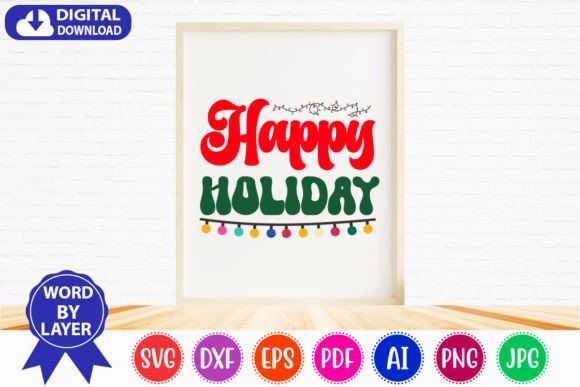
The moment you open the file, the vibe of Happy Holiday Retro Svg is distinct. It avoids the cluttered, overly modern look that plagues many contemporary holiday designs. Instead, it leans into a nostalgic charm that feels warm, inviting, and timeless. For a designer, the initial assessment comes down to layout and legibility. The typography appears bold and rounded, suggesting a friendly, approachable tone that works exceptionally well for seasonal branding or personal gifts. The shapes are clean enough to stitch clearly but detailed enough to add character without becoming a mess in smaller hoop sizes.
This isn't just another clipart vector; it feels like a cohesive brand asset. Whether you are creating a boutique line of holiday aprons or a custom gift set for a client, the design carries a specific personality that says "handmade with care." It strikes a balance between festive cheer and sophisticated simplicity, making it versatile enough for both high-end commercial products and humble hobbyist projects.
Real-World Application: From Screen to Stitch
I recently tested this design on a custom embroidered tote bag project for a local holiday market. My goal was to create a unique product that stood out among the mass-produced items lining the shelves. Using Happy Holiday Retro Svg, I placed the design on a natural canvas tote. The word-by-layer capability of the SVG files allowed me to adjust the color palette easily, swapping standard reds and greens for a muted vintage cream and burgundy scheme that fit the retro theme perfectly.
The result was stunning. The design held its structure beautifully on the textured fabric. Because the file includes separate layers, I was able to manipulate the stitch direction for the fill areas, ensuring the texture looked rich rather than flat. This level of control is crucial when you are trying to sell handmade goods on platforms like Etsy or at craft fairs. Customers can see the quality of the workmanship immediately, and a well-executed retro design often commands a higher price point due to its perceived uniqueness and effort.
Beyond totes, I envision this design thriving on sweatshirts for family matching sets or baby onesies. The soft curves of the lettering are gentle on delicate fabrics, and the overall composition doesn't feel too heavy for small garments. For an apparel decorator, the scalability of the vector file means you can resize it for a large back print or a small chest pocket without losing resolution. It fits naturally into the workflow of a small shop owner looking to expand their holiday inventory quickly.
Where Caution is Required
While Happy Holiday Retro Svg is a strong candidate for most projects, no single design is universally perfect. There are specific scenarios where you need to exercise caution. If you are working with very small hoop sizes, such as those used for cufflinks or tiny patches, the intricate details of the retro font might get lost or merge together during stitching. Always check the minimum size requirements before committing to a final production run.
Textured fabrics present another challenge. While the design looks great on smooth canvas or cotton twill, highly textured materials like bouclé or thick fleece can obscure the finer lines of the embroidery. Similarly, stretchy fabrics like jersey require careful stabilizer selection. Without adequate support, the tension of the satin stitches could cause the fabric to pucker, ruining the crisp look of the retro style.
Dense stitch areas should also be monitored. If the design includes solid blocks of fill stitch, ensure your machine settings account for proper density to prevent thread breakage or visible fabric gaps. For dark fabrics, the contrast is key; if the thread colors chosen do not pop against the background, the design will lose its impact. Always test your thread choices against the final fabric color to ensure the visual appeal remains intact.
Impact on Product Value and Brand Consistency
In the world of handmade commerce, presentation is everything. A design like Happy Holiday Retro Svg elevates the perceived value of a finished product. When a customer receives a personalized gift or buys a piece of merchandise, they are buying into the story behind the item. A well-stitched retro design suggests attention to detail and a connection to tradition, which fosters trust and encourages repeat business.
For Etsy sellers and creative entrepreneurs, consistency is vital. Using a design that aligns with current trends while maintaining a classic feel helps build a recognizable brand identity. This file can serve as a cornerstone for a holiday collection, allowing you to create cohesive mockups, printable previews, and social media content that all share the same visual language. When buyers see a consistent aesthetic across your listings, they are more likely to engage with your shop and view you as a professional source for quality goods.
Practical Designer Notes for Success
Before you rush to your machine, there are several technical steps you must take to ensure success. First and foremost, always test the design on scrap fabric that matches your intended project material. This allows you to gauge the stitch density and see how the threads interact with the weave of the cloth. Check the thread color contrast carefully; sometimes a color that looks vibrant on a monitor appears dull once stitched.
Review the stitch types included in the file. Understanding whether the design utilizes satin stitch for outlines, fill stitch for backgrounds, or running stitch for delicate accents will help you select the correct thread weights and needle types. Confirm your hoop size limitations early to avoid resizing issues later. Inspect small details closely to ensure they are not too fine for your specific machine capabilities.
It is also wise to test the design in black and white mockups. This strips away the distraction of color and lets you evaluate the shape and flow of the artwork. Compare how the design performs on both light and dark fabric backgrounds to determine if any adjustments are needed for different product lines. Use the proper stabilizer for your fabric type; this is often the difference between a professional finish and a puckered disaster.
Finally, verify the licensing terms provided in the download package. Ensure that the file permissions allow for commercial use if you plan to sell finished items. If the package mentions specific file formats like AI or PNG, confirm that your software supports them for seamless editing. By following these practical steps, you can maximize the potential of Happy Holiday Retro Svg and create finished products that truly shine.
Ultimately, this design file is a valuable addition to any craftsman's toolkit. It offers the flexibility needed for diverse projects while delivering the visual punch required to capture customer attention. Whether you are crafting a one-of-a-kind gift or building a robust holiday collection for your small business, Happy Holiday Retro Svg provides the foundation for creativity and success.