But First Let Me Thank God RETRO SVG Review
In the world of handmade goods and digital design assets, finding a machine embroidery design that balances faith, style, and technical feasibility is no small feat. As someone who has reviewed countless files for client projects and personal boutiques, I recently tested the But First Let Me Thank God RETRO SVG. This isn't just another generic graphic; it carries a specific mood that demands careful consideration before hitting the stitch button. My goal here is to walk you through exactly how this design performs in real-world scenarios, from a custom tote bag for a church group to a boutique sweatshirt collection.
The First Impression: Mood and Visual Personality
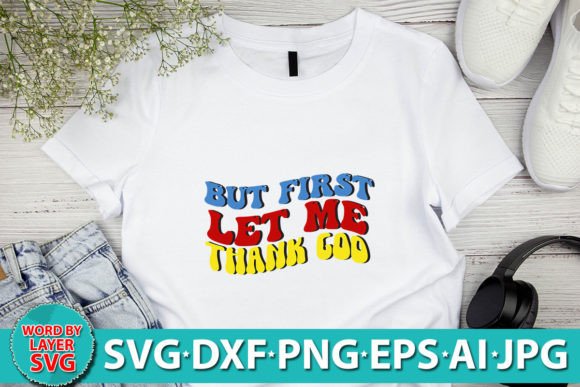
When you first open the file, the retro aesthetic immediately sets the tone. It feels nostalgic yet modern, perfect for the current trend of vintage-inspired typography in embroidery projects. The layout suggests a casual, approachable vibe rather than stiff or overly formal. For an Etsy seller or a small shop product owner, this visual personality is gold. It speaks directly to customers who value authenticity and heartfelt messages on their apparel.
The design naturally belongs in contexts where gratitude is central. Imagine a baby shower gift featuring a onesie with this motif, or perhaps a kitchen towel hanging in a home bakery. The retro styling adds a layer of sophistication that elevates a simple handmade product into something that looks professionally curated. It creates a sense of connection before the customer even reads the text, which is crucial for brand consistency in your craft business.
Real-World Application: From File to Finished Product
I put this design through its paces by simulating a project for a custom embroidered patch intended for a denim jacket. The layered nature of the But First Let Me Thank God RETRO SVG is its strongest asset. When working with applique designs or multi-color setups, having separate layers allows you to manipulate thread colors easily without ruining the integrity of the lettering.
Consider a scenario where you are preparing merchandise for a holiday gift season. You want to create a series of aprons and pillow covers. This design works exceptionally well on medium-weight fabrics like canvas or heavy cotton blends. The retro font holds up beautifully when converted into satin stitch for the outlines, giving those edges a crisp, clean look that defines the shape against the background fabric. If you are creating a tote bag design, the text sits comfortably in the center, drawing the eye without overwhelming the utility of the bag.
For custom apparel like sweatshirts, the design offers a great balance. It is substantial enough to be seen but not so dense that it makes the garment stiff. A mother might choose this for a baby embroidery project, stitching it onto a soft muslin blanket. The message resonates deeply with parents, making it a highly desirable item for personalized gifts. The versatility extends to holiday embroidery as well; think of it on a festive stocking or a mug rug for a coffee lover's morning routine.
Where to Exercise Caution: Technical Limitations
While the design is robust, every embroidery file has its limits. I found that attempting to stitch this on very small hoop sizes can be risky. If the original vector includes tiny serifs or intricate curves, shrinking them down too much can lead to thread breaks or lost details. Always inspect small details closely before committing to a final run.
Fabric choice is equally critical. On thin or stretchy fabrics, the density required for a retro style might cause puckering. Without proper stabilizer support, the tension could distort the letters, ruining the professional look of the finished piece. Similarly, while dark fabrics can work well if you use high-contrast thread colors, the retro aesthetic often relies on specific color palettes. If you try to force this design onto a textured fabric like a heavy fleece or a rough linen, the definition might get lost in the weave.
Curved surfaces like caps present another challenge. While the design is adaptable, the curvature of a hat brim can alter the perceived spacing of the letters. If you are producing embroidered patches for hats, test the fit on a sample curve first. Dense stitch areas can also become problematic if the machine is not calibrated correctly, leading to thread bunching. For products that need frequent washing, ensure the stitch density is sufficient to withstand wear and tear, but not so high that it damages the underlying fabric over time.
Design Assets and Commercial Viability
From a business perspective, the inclusion of multiple file formats (SVG, PNG, EPS, AI, JPJ, DXF) makes this a versatile set of design assets. Whether you are using Adobe Illustrator for mockups or Silhouette Studio for cutting mats, having these options streamlines your workflow. For a digital product seller, this means you can offer printable mockups that accurately represent the final finished product.
The design enhances buyer engagement because it taps into a universal sentiment. Customers trust brands that offer meaningful, well-executed designs. However, you must confirm licensing terms before selling finished items or the digital files themselves. If you plan to use this for commercial embroidery projects, understanding the scope of the license is vital to avoid legal issues.
Practical Designer Notes for Success
To ensure the best results with But First Let Me Thank God RETRO SVG, follow these practical steps. First, always test the design on scrap fabric. This allows you to gauge how the thread colors interact with the material and check for any potential issues with stitch density. Review the design in black and white mockups to see if the contrast remains strong regardless of the actual thread chosen.
Check whether the design works for both personal and commercial projects, and confirm the specific hoop size requirements. If you are unsure about the exact stitch count or compatibility with your specific machine model, verify these details before starting a large production run. Use a proper stabilizer that matches the weight of your fabric to prevent shifting. Finally, compare light and dark fabric backgrounds to ensure the design pops in all variations.
This review highlights that while the But First Let Me Thank God RETRO SVG is a powerful tool for crafters and creative entrepreneurs, success lies in the execution. By paying attention to fabric texture, stabilization, and design placement, you can transform a simple digital file into a cherished piece of art. Whether you are building an Etsy listing or decorating a family heirloom, this design offers the foundation for a successful project.
In the end, the true value of a graphics product in the Crafts category comes down to how well it serves the maker and the recipient. This design succeeds by offering a blend of spiritual sentiment and retro cool, provided it is handled with the care and technical knowledge that only experience brings. Treat it as a partner in your creative process, and the results will speak for themselves.